What Nostalgia Can Build
I reached out to Zarafshan Malik because she was already building upon a legacy what I was still only imagining.
Sukoon Space is about bringing South Asian arts to the forefront in Canada through intimate workshops: block printing, phulkari, tile making, things that let people actually touch the traditions they grew up hearing about but maybe never held in their hands. I knew what we wanted to create. I was less sure about why it mattered, or how to talk about it without it sounding like a mission statement.
What Zarafshan had built was something I could only aspire to: Lahore Heritage Club, a community space in Lahore built around objects, conversation, and the quiet work of keeping culture alive. I reached out and we spoke over WhatsApp. What followed was one of those conversations that keeps surfacing in your head for weeks afterward.
Zarafshan almost didn’t take over the club.
When her father, Tahir Yazdani Malik, passed away seven years ago, Zarafshan was 21. He had started Lahore Heritage Club as a Facebook page in 2004, not long after the platform arrived in Pakistani society. He had spent years researching the Kakizai tribe in Andrun Shehr, the old labyrinthine quarter behind Wazir Khan Mosque, and somewhere along the way, the research became a collection. He’d source items or receive donations from families experiencing rapid urbanization, people discarding what they no longer had room for or no longer knew the value of, and he’d post whatever he’d gathered that day on Facebook.
The page grew quickly, now at 22,000 followers, with 43.8K active members in the members-only Facebook group. But what Zarafshan remembers isn’t the numbers. “The fact that counted was that in the 20,000 people, maybe 60 or 70% of those people were actively engaging in conversations.” He became a bridge for Sikhs in Canada searching for their grandparents’ addresses, for expatriates in London and Malaysia craving pieces of home. He took 200 guests at a time on tours through the ancient streets in Lahore and gave his time freely, until he couldn’t anymore.
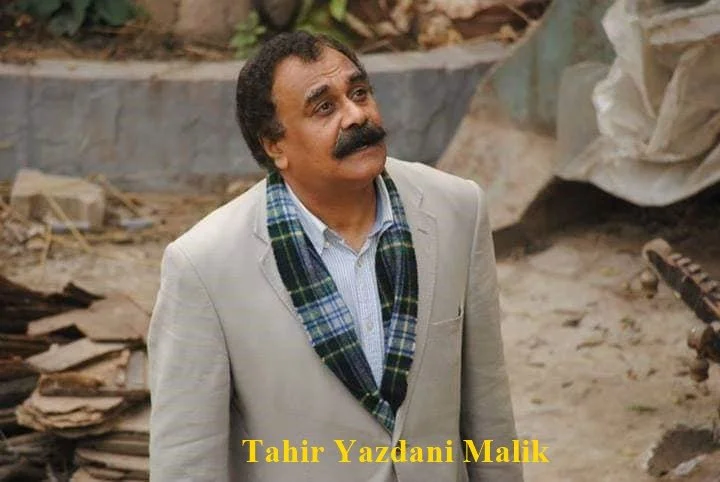
When he passed away, the grief wasn’t just the family’s. “People would come up to us and they would grieve in front of us, as if they’d lost a brother.” Zarafshan says. “I felt like, even though it was our loss, it was their loss as well.” Universities held memorials, NGOs gave tributes, his absence was felt across the city. His children understood, in that moment, that their father had belonged to Lahore as much as Lahore belonged to him. The siblings joked afterward that their inheritance was the archives.
Here’s something I keep thinking about: Zarafshan and her siblings used to tease their father about being on Facebook. “We kept telling him that that’s so embarrassing,” she laughs. And I relate with that completely, the particular embarrassment of watching a parent do something earnest and uncool, something that turned out to be the most important thing he could have been doing.
That detail matters because of what it says about how we often relate to our cultures. We find it a little cringe before we find it essential. We clock it as performative before we understand it as necessary. The seriousness only lands in retrospect, or in loss. For a lot of us who grew up straddling two cultures, distancing from one of them was just how you survived, until one day you realize it's the very thing you've been quietly searching for.
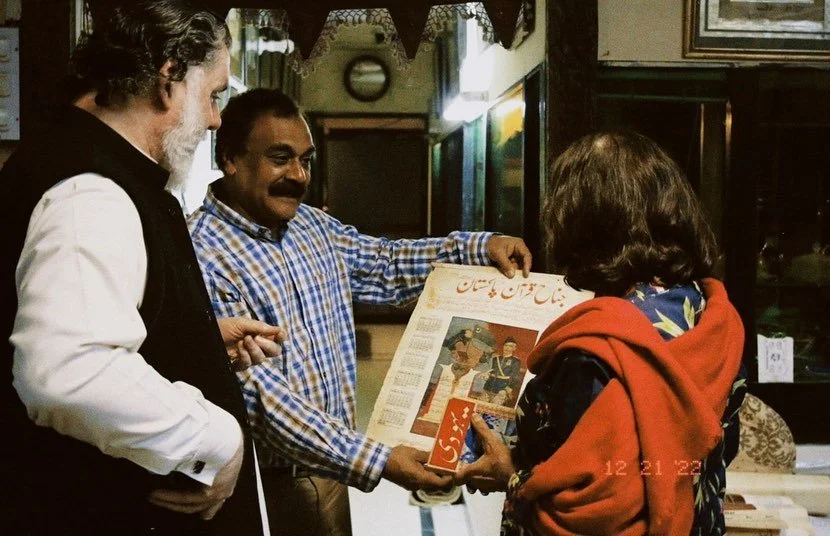
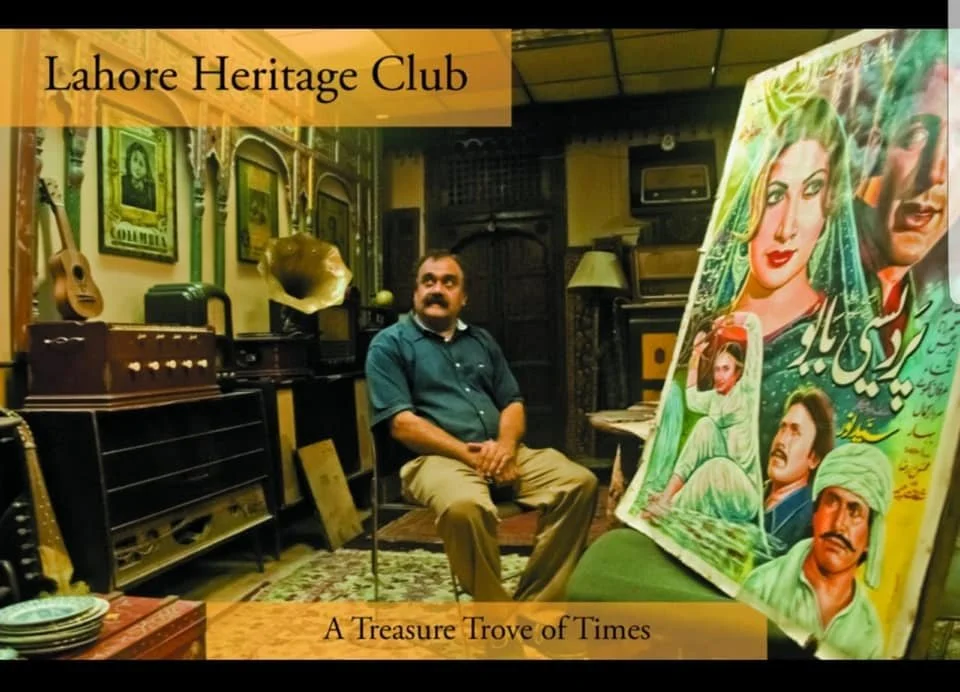
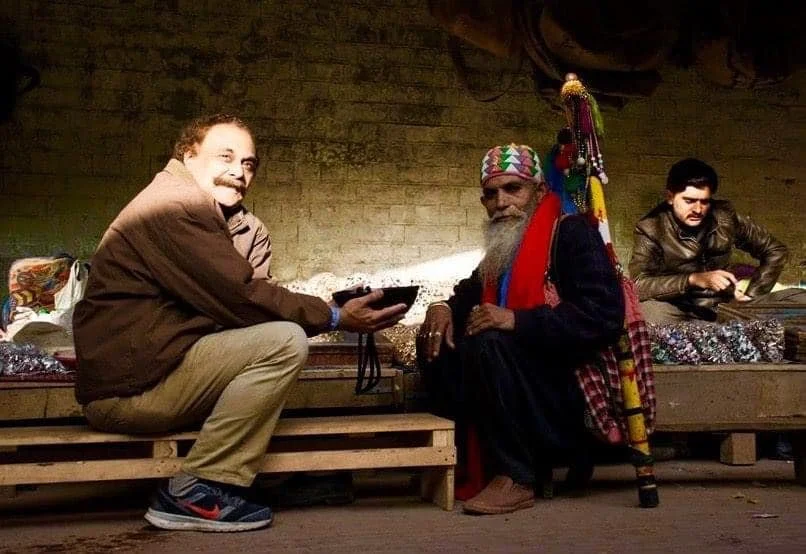
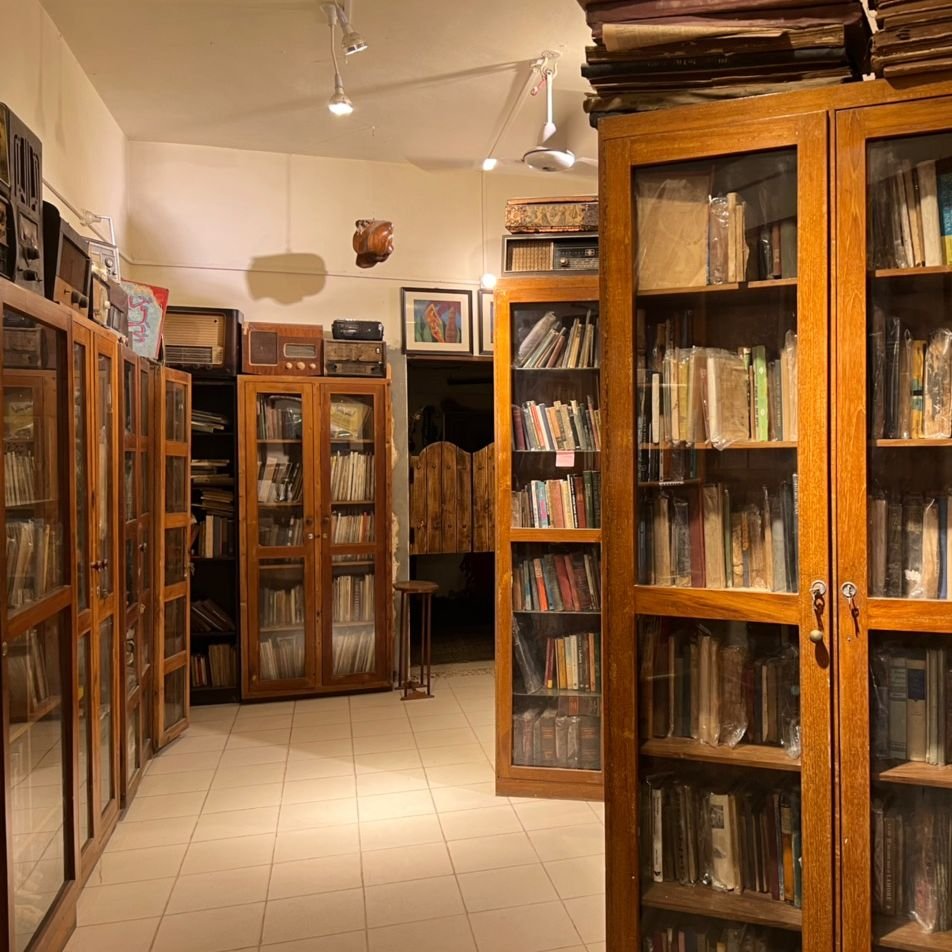
After COVID, Zarafshan’s brother Alisher spent months curating the collection. When she returned from university in the UK, she felt “a very big lack of community in Lahore.” The three siblings, Zarafshan, Alisher, and their sister Zareen, began rebuilding together, not replicating their father’s work but translating it. They started with volunteers, young people who helped clean and categorize the library, and then almost without planning it, poetry nights and live music followed. The community grew not through advertising or strategy but through word of mouth and the simple fact of existing somewhere worth being.
What strikes me about this is how much intention was hidden inside something that looked entirely organic. “We very unconsciously instilled the concept of ownership in our volunteers, and they became our ambassadors.” That line sat with me. Ownership, not just participation. The difference between showing up somewhere and feeling like it’s yours.
Walk into Lahore Heritage Club and you’ll notice the objects have no labels.
No plaques, no dates, no explanatory text, just magazines, hand fans, Multani pots, vegetable dyes, block prints: the kind of mundane objects that wouldn’t pass a museum’s acquisition criteria but that carry the texture of actual life. “I get a lot of hate for this,” Zarafshan told me, but it’s deliberate. “We do not want labels, because when you don’t have labels, you have conversations. And those conversations leave more of an impact.”
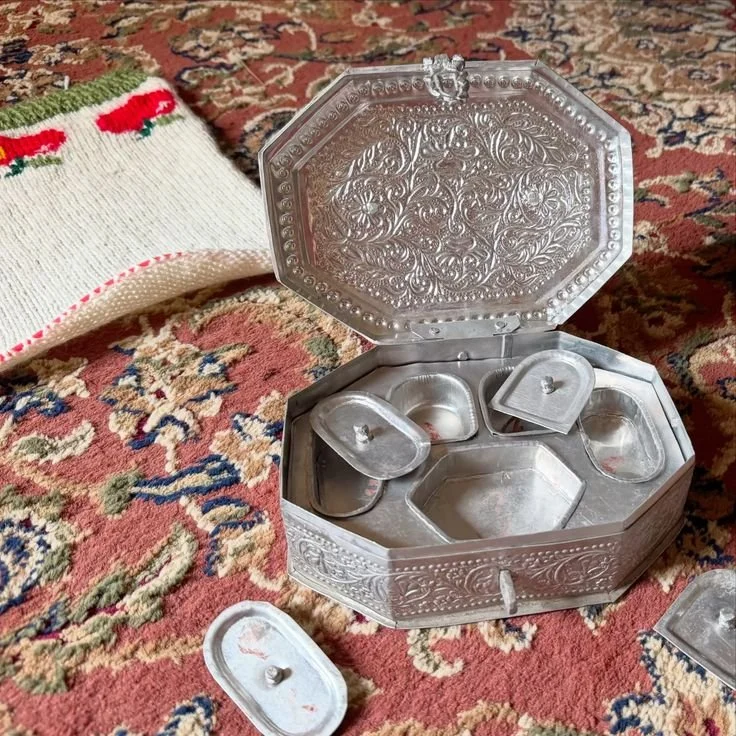
A child sees a paan dan and doesn’t know what it is. They go home and ask their parents. The parents remember something relating to a paan daan from their own life, and a story surfaces that would have otherwise stayed buried. “Objects from the past can help open the doors to conversations that wouldn’t have happened otherwise.” Tours at LHC run two to three hours. “And it’s not because we have a lot of things,” she says. “I think it’s because of the conversations that emerge.”
I’ve been thinking about this in relation to my own work. There’s a version of cultural education that leads with explanation, here is what this is, here is its history, here is what you should feel about it. And then there’s the version that just puts something in your hands and waits. The second one is harder to execute but it’s the one that actually stays.
One of the things Zarafshan said that I keep returning to is this: “It’s not just a tangible thing. Heritage itself is not something that’s just the architecture or the object, but it is very much the tradition and the custom, the language, the food, the colours, the art.”
She’s talking about Lahore, but she could be talking about any community navigating the gap between where they’re from and where they’ve ended up. For the diaspora, that gap is geographic. But her point is that even in Lahore itself, the disconnect is real. Families come back from abroad to find their relatives eating Western food, living in minimalistic spaces, and there’s this identity crisis that wasn’t caused by migration but by aspiration, by decades of people associating their own culture with being lesser.
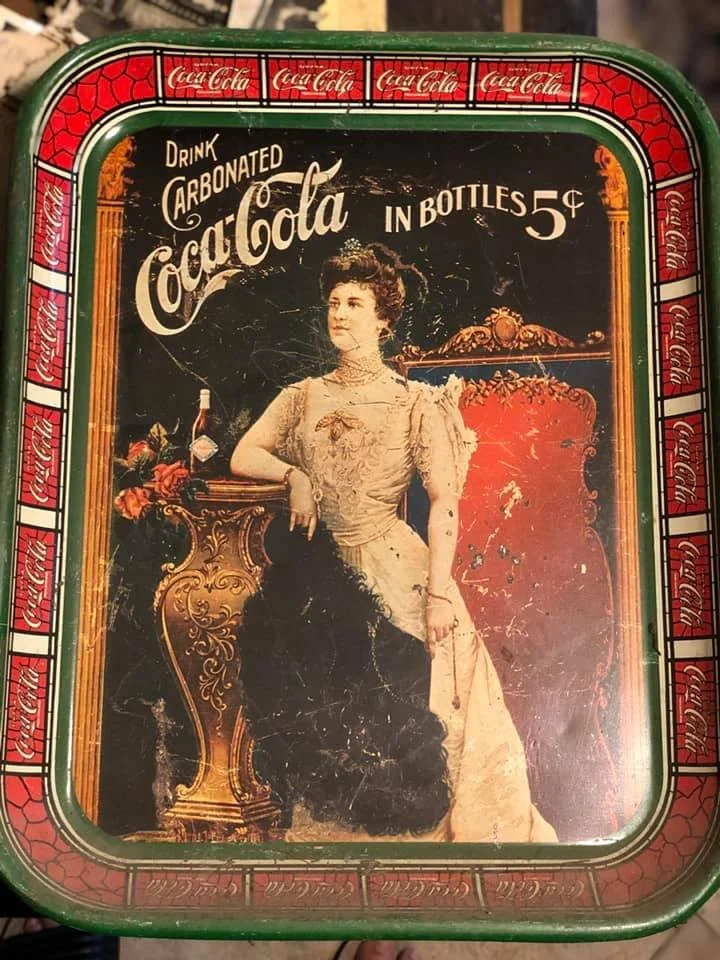
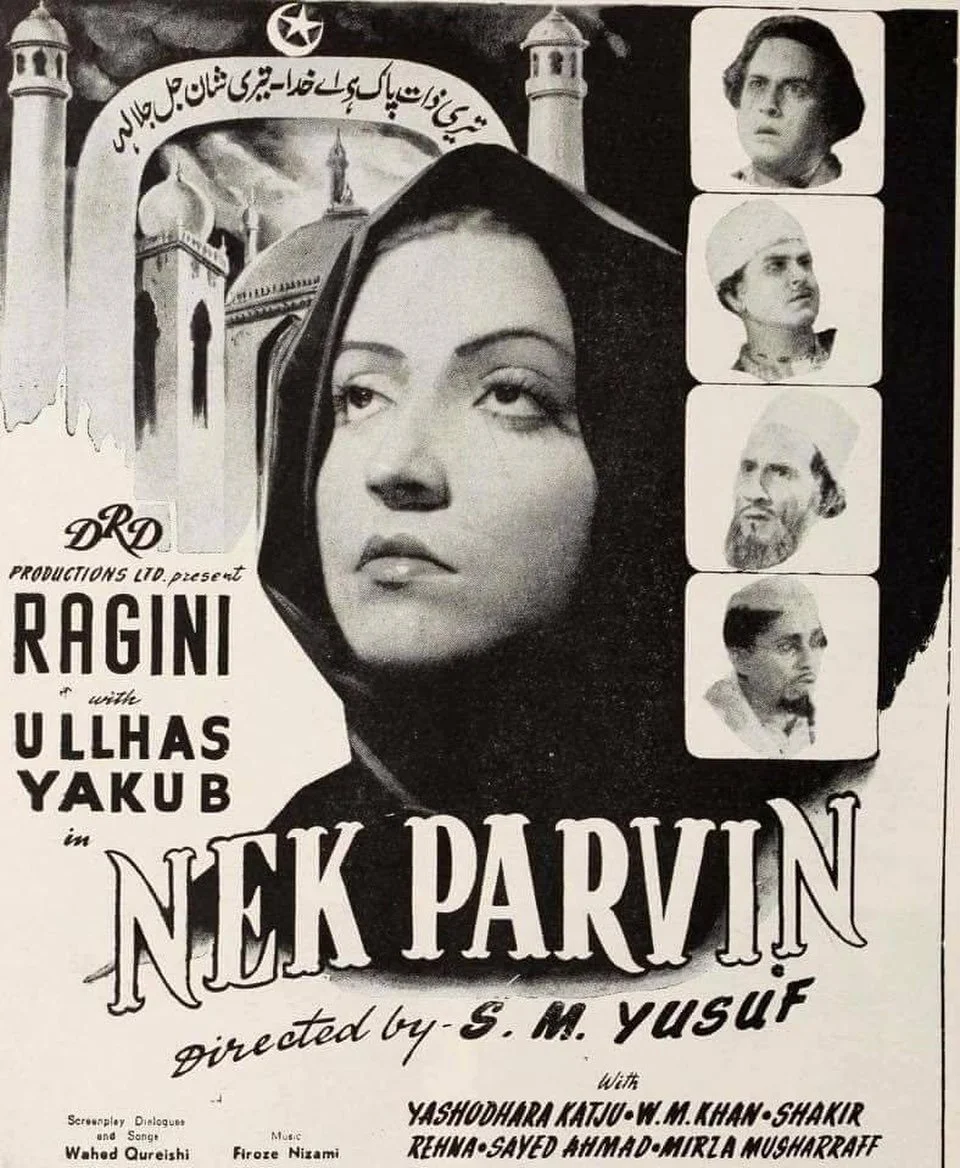
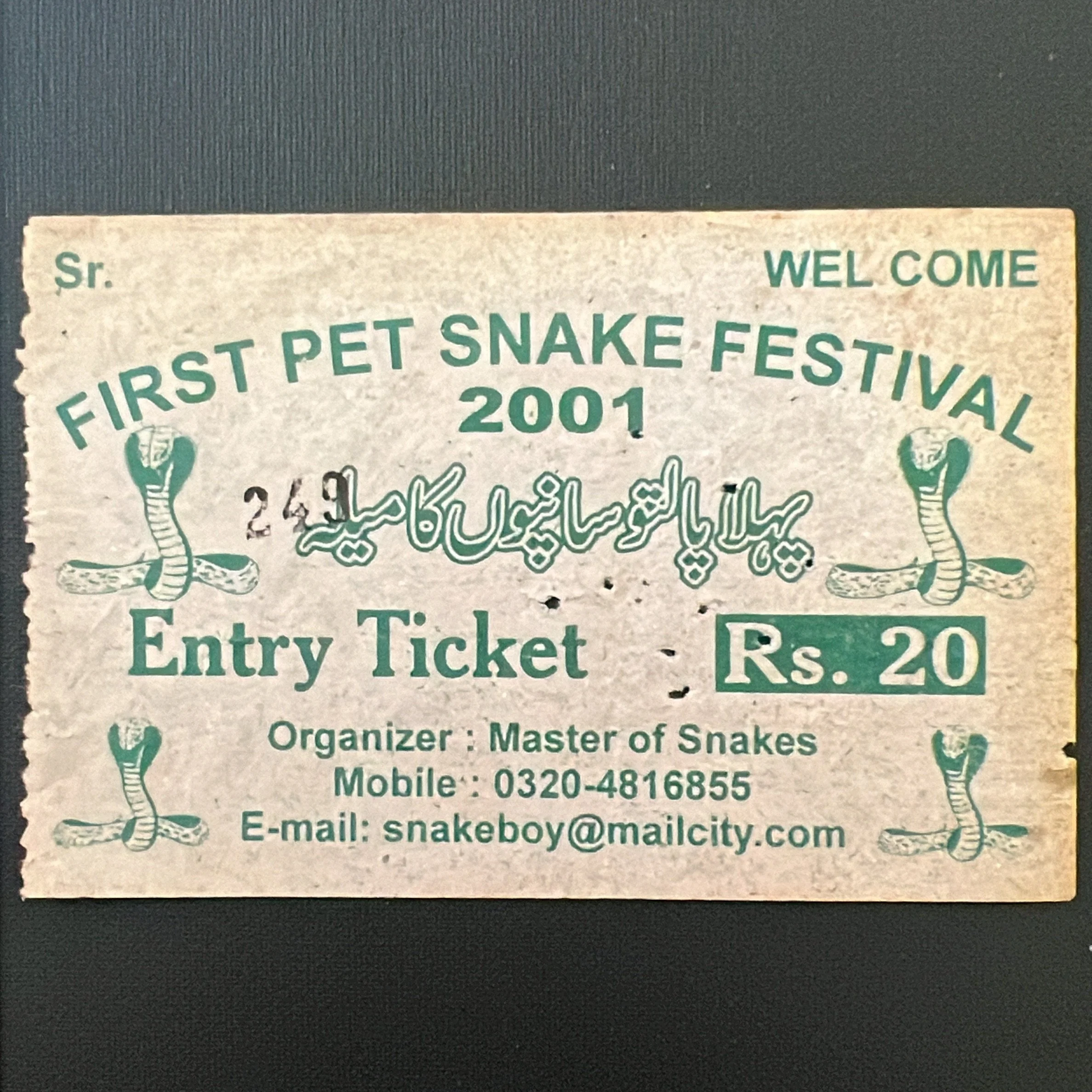
Vintage film posters, event tickets, and other memorabilia. Heritage includes the popular, the everyday, the mass-produced.Four years ago, getting Lahoris to attend heritage-focused workshops was 'extremely difficult.' People paid for poetry or painting classes but events explicitly about culture? “Lahoris don't want to do anything with their culture, to be honest... people did not want to come.” The workshops had to be stripped of obvious cultural markers, made palatable, so people could stumble into caring before they'd decided not to. Today, a sari-themed event drew over 70 young women, a turnout Zarafshan once thought was impossible. Their most popular event, Dil Se Desi, gives participants prompts designed to pull at memory: an heirloom they own, a story from their grandmother's house, something that shaped who they are. People come in as strangers and leave as friends. Something has shifted in the cultural fabric. “Young people are coming back to colours, to clothes that fit their identity, to the things their parents quietly set aside."
Near the end of our conversation, I asked her how diaspora communities can support the work being done back home. Her answer was almost startlingly simple. “I think just talking about it. Just talking about the work that’s being done.” But there's something more concrete you can do too. Lahore Heritage Club runs largely on workshop ticket sales. If the work resonates with you, they accept donations directly via Facebook or Instagram, and for a space that's preserving this much, a little goes a long way.
Don’t assume the person next to you already knows. Don’t perform the knowledge, share it.“The intention is to give knowledge rather than show what you possess. If it’s more of a wholesome conversation, it ends up teaching the other person.” That’s how you become knowledgeable, she said. That’s how you create your own community.
I think about that a lot when I’m figuring out how to talk about Sukoon Space. The temptation is always to over-explain, to justify, to prove the value before anyone’s asked you to. But maybe the work is just to show someone something, a block of wood carved into a pattern, a piece of fabric made by hand, and then get out of the way.
Zarafshan says she used to hate doing interviews. At 21, appearing on national television, she’d cringe watching herself back. “I felt like I didn’t have a lot to say, and the stuff that I had to say, I felt like, was very silly.” Seven years of building something changed that. Seven years of watching strangers become friends over objects with no labels, of carrying forward work that started as a Facebook page and became a community’s inheritance.
The exhibit of nostalgia isn’t really about the past. It’s about using what’s been lost, or almost lost, to start conversations that might not happen otherwise. You don’t have to have lived through something to feel its absence. You just have to sense that something valuable was there, and want to find your way back to it, even if you’re not entirely sure what “it” is. That’s the thing about heritage work. It looks like preservation. But really it’s about making space for people to find themselves.
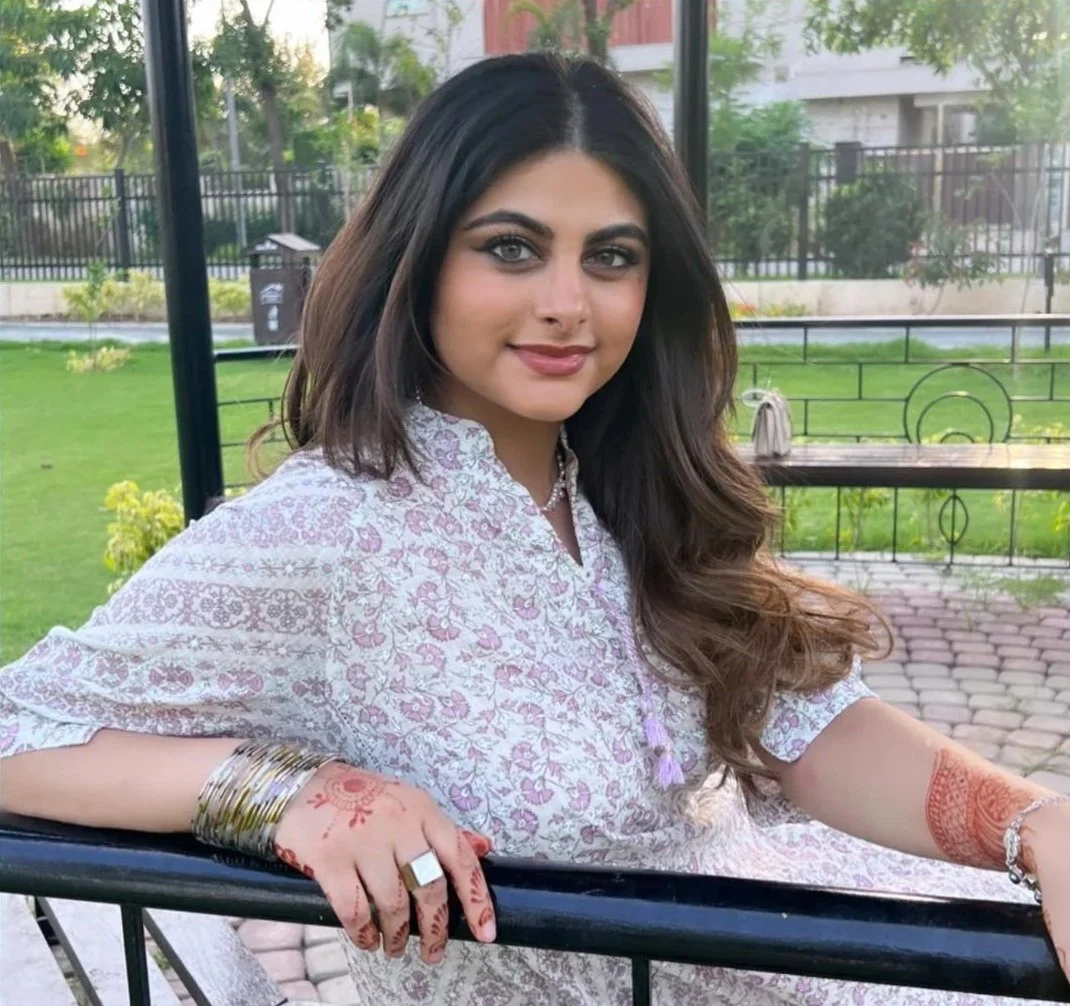
ZARAFSHAN MALIK, WHO TOOK OVER LAHORE HERITAGE CLUB AT 21 AND HAS BEEN BUILDING IT EVER SINCE.Lahore Heritage Club: @lahoreheritageclub
